
Review · DRINKING TOURS
Make your own Bean to Bar Chocolate Factory Tour
Chocolate begins long before the candy bar. At The Falmouth Chocolate Factory, you follow cocoa from pod to finished bar in a hands-on workshop shaped by Jamaican family farming, local history, and practical chocolate making. I especially like the small maximum group of 12 and the chance to create your own inclusion bars, rather than simply watching a demonstration. The main consideration is that the experience lasts about 90 minutes, so it offers a focused introduction rather than a full farm visit.
I also like the unusual story behind the host, Nick, who moved from work as a BBC correspondent into chocolate making. His presentation connects Taino use of cacao, Jamaican food traditions, and modern bean-to-bar production. The $75 price is fair if you value personal instruction and a finished product you make yourself, though it may feel high if you only want a quick tasting.
In This Review
- Key points at a glance
- Why this Falmouth chocolate workshop feels different
- Meeting Nick and hearing the story behind the bars
- Opening a cocoa pod and tracing the farm process
- Roasting cocoa in industrial machines
- Tempering chocolate with a bowl, spatula, and hair dryer
- Making Jamaican spiced chocolate with your own twist
- Designing custom inclusion chocolate bars
- Timing, location, and cruise-day planning
- Who will get the most from the $75 price
- Should you book the Falmouth Chocolate Factory Tour?
- FAQ
- Where does the chocolate factory tour start?
- What time does the experience begin?
- How long does the workshop last?
- Where does the experience end?
- How many people can join the tour?
- Is the chocolate vegan?
- What will I learn during the workshop?
- Will I make my own chocolate bars?
- Can I cancel for a full refund?
Key points at a glance
- Cocoa is explained from pod to bar: You handle cocoa pods, look inside the fruit, and learn how beans are fermented and processed into nibs.
- The workshop is fully hands-on: You roast cocoa, temper chocolate, and make custom inclusion bars to take through the final stage.
- Jamaican flavor takes center stage: You prepare traditional Jamaican spiced chocolate with a creative twist.
- Nick brings an unusual background: His move from BBC correspondent to chocolate maker gives the history and production talk a personal angle.
- The group stays small: A maximum of 12 people should allow room for questions and individual help.
- The timing suits a morning visit: The session begins at 9:00 a.m. and returns you to 23 Harbour Lane in Falmouth.
Why this Falmouth chocolate workshop feels different

Many chocolate classes begin with a bowl of melted chocolate. This one starts much earlier, with the cocoa fruit itself. You see the pod, learn what is inside it, and follow the stages that turn raw beans into the dark chocolate most people know.
That wider story matters in Jamaica. Cocoa is not just a flavor added to a dessert. It connects farming, Indigenous foodways, colonial trade, family work, and modern food production. The introduction includes Jamaica’s cocoa story from the earliest Taino people through its place in the island’s present-day culinary culture.
I like that the experience does not treat chocolate as a simple sweet. You learn why fermentation matters, how nibs are made, and how a maker changes raw ingredients into a finished bar. Even if you already enjoy good chocolate, this gives you a better sense of what you are tasting.
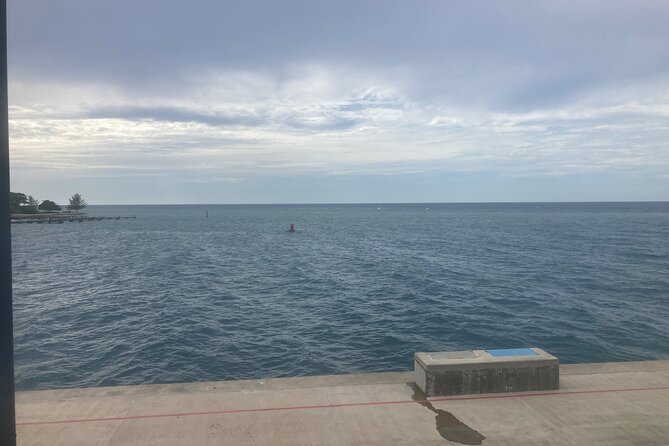
The setting adds to the sense of place. The factory is at 23 Harbour Lane in historic Port of Falmouth, beside the Caribbean Sea. This part of Falmouth is usually easiest to reach for people arriving by cruise ship, so the location can work well for a morning shore visit.
A few more options to weigh up in Trelawny
- Appleton Rum Factory, Ys Falls, Black River Safari, Floyd’s Pelican Bar
★ 4.5 · 12 reviews - RICKS CAFE PARTY CRUISE RIU AQUARELLE with Open Bar & DJ
★ 4.5 · 2 reviews - Negril One Love Bus Bar Crawl
★ 4.5 · 1,170 reviews
Meeting Nick and hearing the story behind the bars
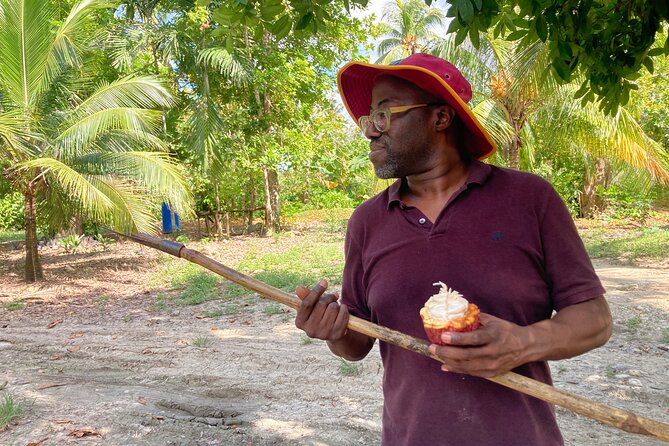
Nick begins with a brief account of Jamaica and the historical use of chocolate. He also explains his own move from BBC correspondent to chocolate maker. That is an unusual path, and it gives the introduction a human focus instead of making it feel like a generic food lecture.
The teaching style is designed to be conversational. You get to know the people in your group before the practical work begins, which suits the small class size. The maximum is 12, a useful limit for an activity involving roasting equipment, tools, and custom chocolate work.
Marta also helps host the experience. Together, Nick and Marta present the subject as Jamaican culinary culture rather than as a basic candy-making lesson. The strongest praise for the experience centers on its educational side, its unusual subject, and the clear way Jamaican cocoa history is brought into the session.
If you want a silent tasting with little explanation, this may not be your ideal choice. The story and instruction are a major part of the value, so expect to listen as well as work.
Opening a cocoa pod and tracing the farm process
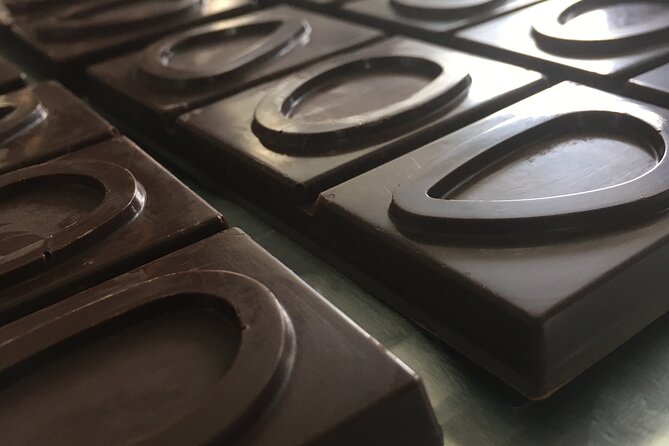
The most distinctive part of the workshop comes before the finished chocolate. You are introduced to cocoa pods up close and look inside the fruit. This helps you understand how far the raw pod is from the smooth chocolate bar sold in a shop.
You also learn how cocoa beans are fermented on the farm. Fermentation is one of the key steps in developing the flavor of cocoa, but it is easy to ignore when chocolate is already packaged and ready to eat. Here, you see that the bean needs careful handling long before it reaches a roaster.
The session then explains how the beans become nibs. Nibs are the small pieces of processed cocoa that carry much of the flavor and texture of the bean. By seeing this stage, you get a clearer picture of the work between harvest and chocolate making.
This section is especially useful for anyone who enjoys food tours with a sense of place. You are not only learning a recipe. You are learning how an agricultural product changes through several stages and how Jamaican cocoa fits into that chain.
The limitation is simple: the experience takes place in Falmouth, not on a cocoa farm. You learn about farm fermentation, but the supplied details do not indicate that you visit the growing fields or see a full farm operation. If farm travel is your priority, keep that distinction in mind.
Roasting cocoa in industrial machines
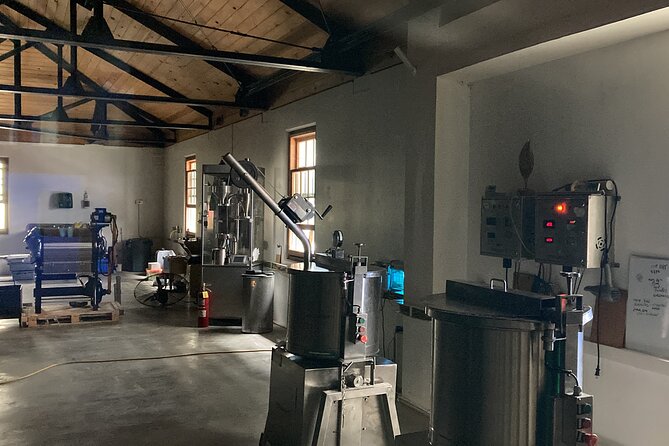
Next, you roast cocoa in large industrial machines. This changes the pace of the workshop from history lesson to working factory session. You get to see that heat is part of the process, and you learn how a professional maker handles the beans before turning them into chocolate.
The equipment also helps show the difference between a home kitchen project and commercial production. You are not simply stirring chocolate in a saucepan. You see the larger tools used at the factory, then learn a simple method you can use at home.
Nick shares a do-it-yourself technique for home chocolate making. The aim is practical: you leave with an idea of how to continue experimenting without needing a factory full of equipment.
This balance works well. The industrial machines make the session feel authentic, while the home method keeps the lesson useful after your visit. I would expect the roasting portion to be more about understanding and taking part in the process than operating every piece of machinery independently.
A different kind of day out entirely:
- Triple Action pack Combo (Blue Hole, Horse back riding and river tubing)
★ 5.0 · 669 reviews - Bamboo Rafting and horseback
★ 4.5 · 556 reviews - Private Authentic Down-to-Earth Half Day Tour in Montego Bay
★ 5.0 · 500 reviews - Mystic Luminescent Lagoon Night Cruise & Swim in Jamaica
★ 3.5 · 370 reviews
Tempering chocolate with a bowl, spatula, and hair dryer
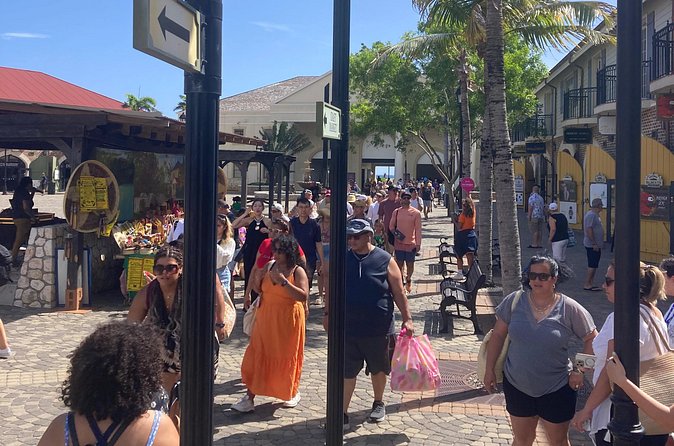
Tempering is the technical heart of the class. It helps chocolate set with a smoother finish and a better snap, and it is often the part that makes home chocolate projects seem harder than expected.
Here, you learn to temper chocolate by hand with a bowl, a spatula, and a hair dryer. That is an appealing kitchen trick because it uses familiar tools rather than specialized equipment. It also turns a professional technique into something you can try at home.
The method still calls for care. A hair dryer is a clever tool, not a magic shortcut. You will need to follow the instructions closely and work patiently. The value is in learning the basic approach and seeing how temperature control affects the final bar.
The chocolate used in the class is vegan dark chocolate. That makes the workshop suitable for people seeking a plant-based chocolate experience, but it may surprise anyone expecting creamy milk chocolate. The description warns that the dark chocolate has a strong, festive flavor, so milk chocolate fans should be prepared for a more intense taste.
Making Jamaican spiced chocolate with your own twist
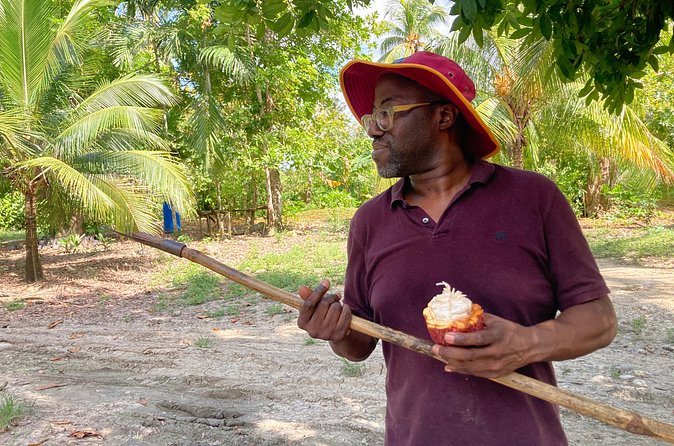
The group then makes traditional Jamaican spiced chocolate with a twist. This is where the workshop becomes distinctly local rather than simply a general chocolate class.
The exact twist is not specified, so you should expect the creative element to be explained during the session. The important point is that the recipe links chocolate to Jamaican flavor traditions. You are not only learning how to melt and set chocolate. You are working with a style connected to the island’s food culture.
I like this part because it gives the historical material a practical result. You hear about cocoa’s place in Jamaica, then use that ingredient in a local preparation. The final product is not just a souvenir. It reflects the subject of the class.
All of the chocolate is vegan dark chocolate, so the flavor profile is likely more pronounced than a standard milk chocolate treat. If you prefer lighter, sweeter chocolate, you may want to treat this as a chance to try something outside your usual habits.
Designing custom inclusion chocolate bars
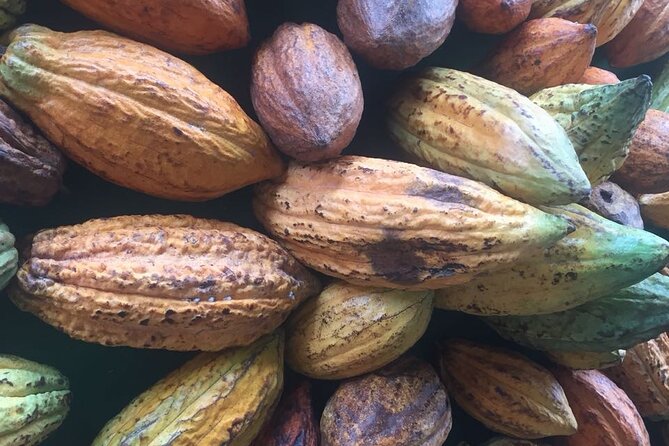
The final practical stage is creating custom-made inclusion bars. Inclusions are the extra ingredients placed into the chocolate, allowing you to shape a bar around your own preferences.
This is the part most likely to appeal to families, couples, and anyone who enjoys making food rather than only tasting it. You are given a finished chocolate project that reflects your choices, and the workshop ends with the unveiling of your bespoke bars.
The custom element also adds value to the $75 fee. You are paying for instruction, access to the factory process, tasting and making activities, and a product that comes from your own work. That is a better proposition than a short demonstration where you leave with nothing but a sample.
Still, value depends on your interests. Someone who wants a long farm excursion or a large amount of chocolate may find the price less convincing. Someone who enjoys food traditions, small-group teaching, and a take-home creation will likely see more in the experience.
Timing, location, and cruise-day planning
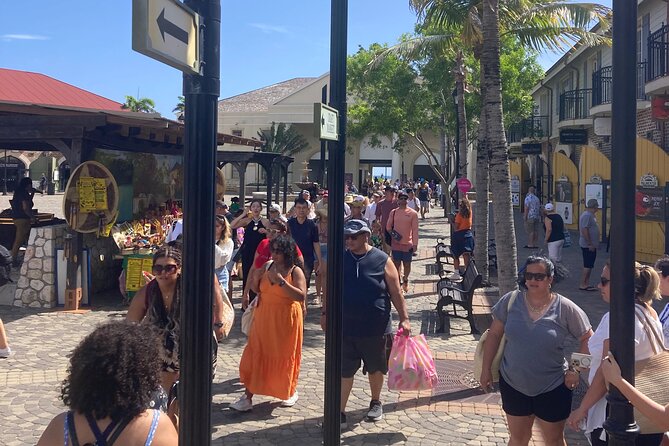
The experience begins at 9:00 a.m. at 23 Harbour Lane in Falmouth and ends at the same meeting point. Its stated duration is about one hour and 30 minutes, which makes it possible to fit into a morning plan if you are staying nearby or visiting during a cruise stop.
Pay close attention to the time zone if you are arriving by ship. One couple arrived an hour early because they were using ship time instead of island time, and Nick accommodated them. That was kind, but you should not rely on an early arrival being accepted every time. Check Jamaica’s local time before setting out.
The site is near public transportation, and mobile tickets are accepted. Confirmation is provided when you book. These details make the visit fairly simple to arrange, though you should still allow time to reach Harbour Lane and find the meeting point.
Because the workshop is located in historic Port of Falmouth and is normally accessible mainly to cruise passengers, it can be a strong option for a port day. The start time is early, so check your ship’s required return time and leave enough room for the journey back to the pier.
Who will get the most from the $75 price
I would recommend this experience to you if you enjoy food with a story. It is a particularly good fit for people interested in Jamaican culture, sustainable food production, plant-based treats, and practical kitchen skills.
It should also suit first-time chocolate makers. You do not need to arrive with factory experience, and the home tempering lesson is designed around simple tools. The small group limit should help keep the class personal.
Couples and small groups may enjoy the custom bar activity, while families should appreciate the visible stages, from pod to nib to finished chocolate. The one-and-a-half-hour length is also manageable for a morning activity.
You may want to skip it if you dislike dark chocolate, have no interest in food production, or want a long visit in the countryside. The experience focuses on cocoa education and chocolate making in Falmouth. It is not presented as a plantation tour, a broad Jamaican cooking class, or a general sightseeing trip.
At $75 per person, I see the price as reasonable for a small, guided, hands-on workshop with a local focus. The strongest value comes from the combination of history, factory equipment, practical technique, and custom bars. If you only want to eat chocolate, a simpler tasting may cost less and take less time.
Free cancellation is available if you cancel at least 24 hours before the 9:00 a.m. start time. Changes or cancellations made within 24 hours are not accepted for a refund, so keep the local cut-off time in mind when planning a cruise-day schedule.
Should you book the Falmouth Chocolate Factory Tour?
Book it if you want more than a sugar fix. This experience gives you a clear view of how cocoa becomes chocolate, explains Jamaica’s connection to the ingredient, and lets you make something personal along the way.
I would especially choose it for a port day when you want an activity close to Falmouth rather than a long transfer. Nick’s personal background, the Jamaican cocoa story, and the chance to temper chocolate with a hair dryer give the class an unusual character.
Skip it if you want milk chocolate, a full cocoa farm visit, or a much longer food tour. For everyone else, the small group, practical teaching, and custom bars make this one of the more distinctive short activities in Falmouth.
FAQ
Where does the chocolate factory tour start?
It starts at 23 Harbour Lane in Falmouth, Jamaica.
What time does the experience begin?
The scheduled start time is 9:00 a.m.
How long does the workshop last?
The experience lasts approximately one hour and 30 minutes.
Where does the experience end?
The activity ends back at the meeting point at 23 Harbour Lane.
How many people can join the tour?
The maximum group size is 12 people.
Is the chocolate vegan?
Yes. The experience uses vegan dark chocolate.
What will I learn during the workshop?
You will learn how cocoa develops from pod to bean, how beans are fermented, how nibs are processed, how cocoa is roasted, and how chocolate is tempered by hand.
Will I make my own chocolate bars?
Yes. You will create custom inclusion chocolate bars and unveil your finished bespoke bars during the experience.
Can I cancel for a full refund?
Yes, if you cancel at least 24 hours before the experience start time. Cancellations or changes made less than 24 hours before the start are not refunded or accepted.
Just added in Trelawny
- Round-trip Airport Transfer to Royalton Blue Waters & White Sands Hotel★ 5.0 · 3 reviews
- Luxury Excellence Oyster Bay Transfer★ 5.0 · 1 review
- YS Falls plus Black River Safari Guided Tour w/Lunch & Admission from Falmouth★ 5.0 · 1 review
- Dunn’s River Falls and Park Tour with Zip Line from Montego Bay★ 5.0 · 3 reviews
- Shared – Jungle River Tubing Adventure Tour from Falmouth★ 4.0 · 4 reviews
- Mystic Mountain Jamaica Bobsled Tour (Mystic Silver) from Falmouth★ 4.0 · 1 review
- Royalton Blue Waters and White Sands Private Airport Transfer★ 5.0 · 9 reviews
- Royalton White Sand and Blue Waters Airport Transfer★ 4.5 · 13 reviews
Drinking Tours, compared.

Reggae Catamaran and Snorkeling Open Bar Cruise Montego Bay
Read our review →
YS Falls, Black River Safari, Appleton Rum Tour OR Pelican Bar (Choose Up to 3)
Read our review →

Montego Bay Private Yacht Tour with Open Bar and Lunch
Read our review →
Private Transportation from Montego Bay to Appleton Estate & Pelican Bar
Read our review →
Appleton estate,YS Falls,Black River Safari,Pelican Bar(any 3of4)
Read our review →Browse the lists this tour appears in